Traveling Dog Lady

Friday, April 4, 2014

A to Z Challenge, Day 4: D is for Diabetes in Cats #atozchallenge

Our cat, Pointy, was diabetic.  Pointy was only with us for a short while.  Someone had "dumped" him at our house.  Back in those days, shelters were few and far between, and we were known (worldwide ha ha) as "the cat people".  One day, he showed up on our doorstep, and he never left.  My guess is that he was already a senior when he got dumped.  He was a very large Tomcat.  He adored me and Gil, and he bossed around the other pets.  They all respected Pointy.  I think he was only with us for two, maybe three years.  Here is the only picture I have of him.  This was back in the day when digital cameras were new, so I think I got accidental photos of him while I was playing with the camera when it was new.


Feline diabetes affects approximately one in every 400 cats.  That, to me, is a surprising statistic.  I thought the number would be higher... but then again, we've had about 40 cats altogether between the two of us, and Pointy is the only one I can remember who actually was diagnosed diabetic.  Male cats are at twice the risk of female cats for developing diabetes.

The disease affects all of the cat's organs.  Just like diabetes in humans, the problem is an inadequate production of insulin, or an inadequate response of the body to insulin.  As the condition becomes worse, a telltale sign of diabetes in a cat is frequent urination.  I can remember Pointy spending an inordinate amount of time in the litter box, and us having to constantly change and clean the box.  It was thought that he had a urinary tract infection, but that was not the case.  Frequent urination is a sign of diabetes, as is the need to drink a lot of water.  Just like in people.

At diabetic onset, the cat will eat a lot.  I remember Pointy seemed "ravenous".  Once the illness has taken hold, though, appetite loss is characteristic along with weight loss.

Gosh, just reading back at this, it all sounds so depressing!  But, just like with humans who have diabetes, it can be treated.  The problem with diabetes in cats is, we humans may not realize anything is wrong until it is too late to treat.  Have you ever tried giving a cat insulin injections at home?  Not fun!

Meow!!

Here's more info about feline diabetes.


I am not a veterinarian, medical professional, canine or feline professional or specialist.  I have owned and parented nine dogs and more than 40 cats in my lifetime. I write this blog based on my own experiences as a pet owner/pet parent.  Please consult a professional if you need help with a canine or feline medical or behavior problem.  Thank you.  

Thursday, April 3, 2014

A to Z Challenge, Day 3: C is for Canine Cognitive Dysfunction #atozchallenge

Otherwise known as "old dog syndrome", canine cognitive dysfunction is doggie senility, dog dementia,  or doggie Alzheimer's.  Telltale signs are confusion, lack of (or a change in) interaction with humans, change in appetite, soiling indoors, and more.

At 14, Hobie is starting to show signs of this, but "old dog syndrome" symptoms can be similar to other illnesses, such as kidney disease, so tests are necessary to rule out other causes of these behavioral changes and confusion in a senior dog.

Pacing and walking in circles is one of the signs of canine cognitive dysfunction.  Lately, Hobie paces and pants, paces and pants, and walks back and forth.  Not really in circles, but as close to a "circle" as you can get in a very small, rectangular floor plan.  I keep hoping this is just a problem we encountered due to the terrible winter weather we had this year.  He had one little path through the back yard that he could walk, back and forth, back and forth.  Now that the snow has melted, he has been able to walk through the entire back yard... that is, when he is able to navigate the stairs, which sometimes is not possible.

Here are some possible signs that your dog may be experiencing canine cognitive dysfunction:

Staring at walls or staring into space
Not interacting with humans
No interest in attention or praise from humans
No interest in playing
Loss of appetite or hesitancy to eat, drink or take treats
Learning new commands or a new route or location is difficult or impossible
Withdrawn, unwilling to go outdoors, no interest in going for walks
Becomes lost in familiar places, either indoors or out
Gets trapped in a room or stuck behind a piece of furniture dog was otherwise familiar with
Difficulty locating doors or exits
Cannot negotiate stairs
Does not respond to name or commands (assuming hearing loss has been ruled out)
Does not recognize familiar humans
Shaking or trembling, particularly when standing up or attempting to lie down
Pacing and wandering through the house
Soiling in the house, even if brought outdoors often
Daytime sleep that is more frequent, and being awake during the night
Becomes startled by lights, TV, other normal household sounds (that was not previously startled by)

Unfortunately for us dog lovers, this geriatric behavior problem is common.  Many dog owners attribute the changes to "he's just getting old", but veterinarians are now placing more importance on these behavior changes in senior dogs, and there is a new veterinary movement to bring awareness to this all-too-common issue.

As with Alzheimer's in humans, there is presently no cure for "CCD" (also known as CDS = cognitive dysfunction syndrome).  There are expensive drugs available, the side effects are numerous, and it is not clear if they are effective or helpful.   Studies suggest that providing moderate activity, mental stimulation and interaction with the family, interactive toys, and a diet including antioxidants may be helpful.  Check with your vet first before changing any dietary or activity levels.

Avoiding changes in the household (such as moving or replacing furniture), sticking to a routine, keeping commands simple, interacting with the dog as much as possible, and eliminating clutter are helpful do-it-yourself tools for dealing with old dog syndrome.

Above all, be compassionate and understanding.  Your old guy or girl has been there for you through thick and thin.  I would do anything for Hobie, and am!  This is a challenging time for us.  We just got done raising two puppies who needed to go out every few hours, and now our senior dog is in need of extra care.

DoG only gives you what you can handle.

Wednesday, April 2, 2014

A to Z Challenge, Day 2: B is for Black Cats #atozchallenge

I'm taking poetic license and going slightly off-theme for today's "B" topic (just slightly), to talk about black cats.

Black cats get such a bad rap.  It's that whole Halloween-superstition thing.

Ooooooooo!  I'm soooo frightennnnned!


Are people still superstitious about black cats crossing their paths?  I remember, when we were rebellious teenagers, we would say, "Nah, it's GOOD luck when a black cat crosses your path."  The adults would look at us as if we were possessed by Satan.  On the other hand, the Japanese believe a black cat crossing one's path is good luck.

Statistically-speaking, black cats are the last to be adopted from shelters... more accurately, they are often overlooked or ignored altogether by potential adopters.  There is even a thing called "Black Cat Syndrome", which is not a disease, but a statistic that shows that the color of an animal plays a definitive role in cat adoption.

Sigh.

Last night, lying in bed composing this blog post in my head (yeah, that's how I "write"), I started trying to remember all the black cats I've had.  You can read more about my black pets in this post from February which was Adopt a Black Shelter Pet Month, but I wanted to showcase them again.   Here's a list, by memory, of my black cats (in chronological order!):

Slippers

Ratsky

Love Kitty


Mr. Kitty


Louise  -- not pictured --   (Louise, who was with us in the early 1990s, was actually a feral cat, but she lived in our garage, and we fed her.  She did live in the house for a while, but she was so feral she wasn't about to have any of that house-living!  Although she did enjoy sitting on my lap on occasion.  I have no pictures of her.  Her name came from the fact that she sneezed, a lot.  "Sneeze Louise")

Tux
Tux is sleeping in the basket on my desk as I write this, as he does every day :)


Honorable mentions (the calicos, who are/were predominantly black):

Patches  

                                          These are two different cats, photos taken 35+ years apart!
                                               Uncanny resemblance on the markings!
Cali

[Gee, such original names! LOL!]


Don't believe all the myths about black cats.  They aren't true!  Black cats are awesome!
I've adored and treasured the many cats who've crossed my path, especially the black ones.

But maybe I'm a witch.

Tell me about your black cat(s) in the comments!


I am not a veterinarian, medical professional, canine or feline professional or specialist.  I have owned and parented nine dogs and more than 40 cats in my lifetime. I write this blog based on my own experiences as a pet owner/pet parent.  Please consult a professional if you need help with a canine or feline medical or behavior problem.  Thank you.  


Tuesday, April 1, 2014

Blogging A to Z Challenge, Day 1: A is for Anaplasmosis

I am not a veterinarian, medical professional, canine or feline professional or specialist.  I have owned and parented nine dogs and more than 40 cats in my lifetime. I write this blog based on my own experiences as a pet owner/pet parent.  Please consult a professional if you need help with a canine or feline medical or behavior problem.  Thank you.  

Our vet screens for tick-borne diseases annually, and vaccinates against Lyme disease, for which my dogs Hobie and Hector, both tested positive in the distant past. Many pet owners in Massachusetts opt to vaccinate for Lyme. The tick population here is overwhelming. Especially on Cape Cod, in spring, where we spend our weekends and vacations.

Last month, during his routine annual physical, Charlie Brown tested positive for a different tick-borne infection, anaplasmosis. He just completed a round of antibiotics to treat the infection. I had heard the name anaplasmosis before, but I didn't know anything about it at all. In fact, all I kept thinking of was toxoplasmosis, that thing that grows in litter boxes that gives pregnant women a pass in cleaning cat boxes for nine months.

Anaplasmosis is a vector-borne disease sometimes known as "dog fever" or "dog tick fever", and is prevalent in the northeastern and mid-Atlantic United States.  The symptoms are very similar to arthritis and "dog flu":  joint pain, stiffness, high fever, lethargy, loss of appetite, vomiting, diarrhea and neurological signs including seizures.  (Also mentioned is neck pain, but I have to wonder how would we know when our dog is having neck pain!?)  The infection can be very serious, and equally difficult to diagnose.  But easy to treat.  Reading that list of symptoms, I have to wonder if Hobie contracted anaplasmosis last summer --  he was hospitalized for three days with all of those same symptoms. Of course, he was tested for everything (and I mean everything!), and anaplasmosis did not come back positive.  But, he was treated with mega-doses of antibiotics, so perhaps it cleared up really quickly and was therefore not successfully detected.  Like I said, anaplasmosis can be difficult to diagnose.

Charlie showed absolutely no symptoms whatsoever; he simply tested positive on a routine blood test, and so we treated the infection.  According to several articles I found online, treatment is remarkably successful with noticeable improvements in as few as one-to-four days.

As much as we are diligent in applying protective treatments, our dogs have nevertheless contracted vector-borne diseases on several occasions.  The prevalence of ticks here, especially on Cape Cod, is staggering.  I find ticks on myself constantly (gross!!!), and have been tested for Lyme several times myself (always negative).  Most of the time, when I find a tick on myself, I feel it crawling (gross!!) before it starts to bite or take hold.  I've never had to remove one that is biting.  I'm an absolute freak about checking myself, and have even felt ticks crawling on me in my sleep!  But the dogs are another story.  The disease-carrying ticks are tiny (see this photo) and even on a short-haired dog, they can easily disguise themselves until it is too late.

To make matters worse, Charlie will run away from me, and/or bite and growl if I approach him with the intention of removing a tick.  I still do it, but it's not easy.

On a humorous side note:  when we first started going to Cape Cod, where ticks are disgustingly overwhelming in spring and fall, Hobie was about seven years old.  He would step out of the car upon our arrival and 400 ticks would jump on him!  Ok, a bit of an exaggeration, but, because he is light-colored I was able to see them.  I would pull all the ticks off (they were not biting him, just sitting on him).  We would go on our walk.  As he would walk along, ticks would continue to jump onto him.  I could spot them immediately.  I would "pull over" and take the ticks off of him as soon as they alighted.  After a while, I inadvertently "trained" Hobie to pull ticks off himself.  If I asked him to heel and stop, he would immediately start checking his own legs.  If he found a tick, he would pull it off with his teeth -- and then I'd have to shove my hand in his mouth and grab the tick out of there!  I taught him, unintentionally, so well, that he now always checks himself for ticks and pulls them off with his teeth!  I have to be diligent with Hobie in a whole different way from Charlie -- I have to get to the ticks before Hobie does!

This year, we will be even MORE diligent (if that is at all possible) about tick preventative medications.  Not that I want to give more vaccines (that's a whole other topic) but there is no vaccine available for canine anaplasmosis as there is for Lyme disease.  There is an anaplasmosis vaccine for cattle.  My dogs all get the Lyme vaccine annually.

For more information about anaplasmosis, check out these websites:

http://www.pethealthnetwork.com/dog-health/canine-anaplasmosis

http://www.vcahospitals.com/main/pet-health-information/article/animal-health/anaplasmosis-in-dogs/6962

http://blog.timesunion.com/petsandvets/689/anaplasmosis-%E2%80%93-another-tick-borne-disease-affects-dogs/

http://www.wagsandwhiskers.com/blog/169-canine-anaplasmosis


Sunday, March 30, 2014

Friday, March 28, 2014

Today is Charlie Day!

Honestly, I don't know why I am so afraid to take Charlie Brown places, because we went to the vet today and just had the most amazing morning!  As you may know, his most recent vet appointment revealed that he had contracted anaplasmosis.  I'll be writing about that on April 1st as my first post of the Blogging from A to Z Challenge.  Charlie was on antibiotics for two weeks, and today was his follow-up appointment.  He just needed a pat on the head and an extra booster vaccine for leptospirosis (that will be my post for the letter "L" on April 14th, assuming I make it that far!).  Well, I don't know why I am so nervous because he was so well-behaved, I am very proud of him, and impressed with him.  I take none of the credit, being my same anxiety-ridden self.

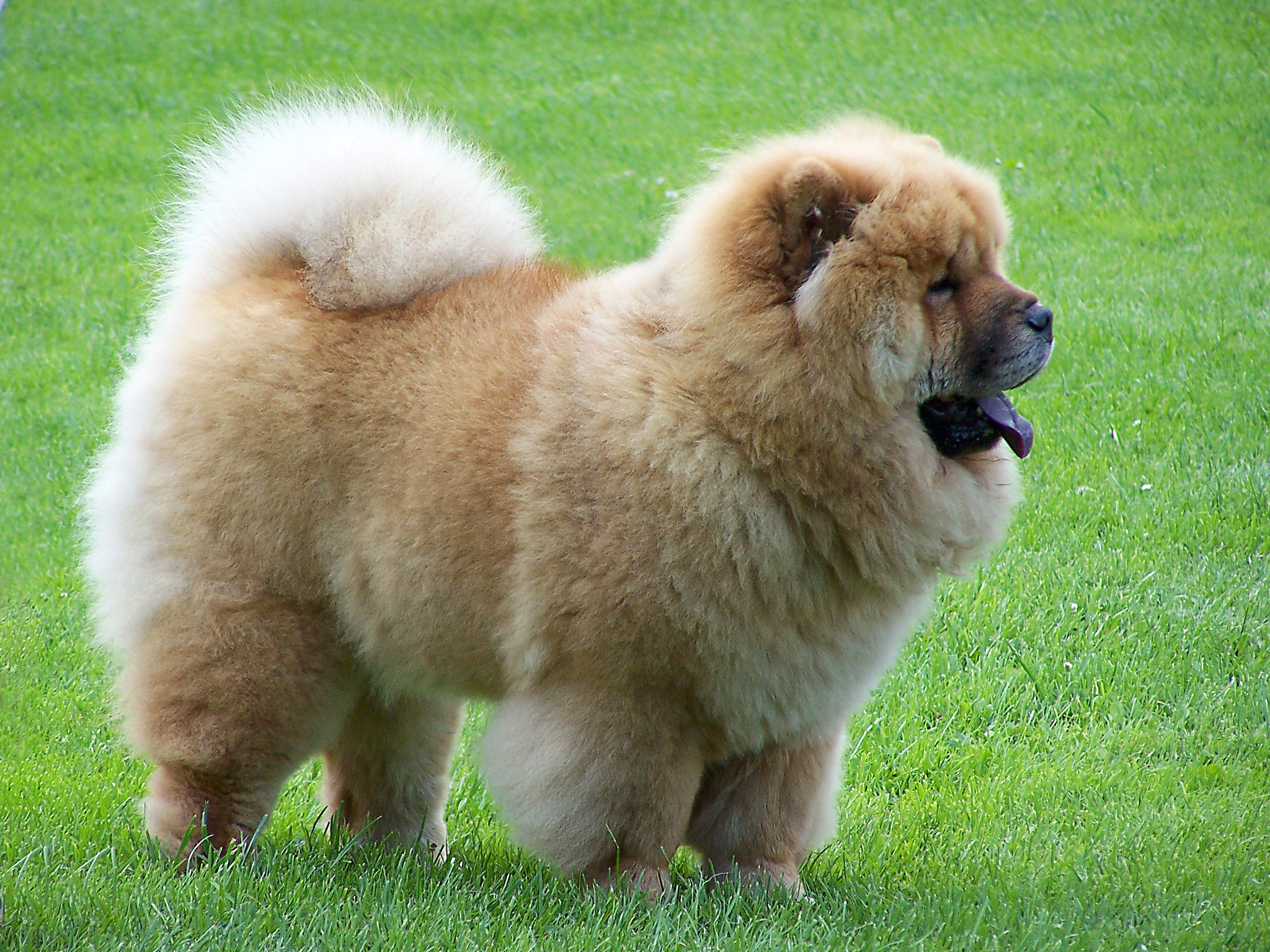
Charlie was greeted at the door by J.J., the vet tech's chow-chow who is always on-premises.  Charlie, ever the boss at home, was very gentlemanly, submissive and polite to J.J.  Hey, after all, this was J.J.'s territory.  Then, Charlie got onto the scale and sat down while I weighed him! Then, he did it again for the vet tech when he wanted to double-check his weight! None of my other dogs ever cooperate on the scale.

We went into the exam room to wait for the vet.  As a human, I can only imagine what the smells in the exam room are like.  Lots of pheromones, I suppose.  Charlie, being part hound, took a reading on every smell in that room.  And then, he started "talking" to me.  It was so funny!  I swear he was trying to form words.  Hounds do that -- a lot of times they sound like they're saying English words.

I wish I had brought my phone with me, but I wanted to travel light, so I left it at home.... therefore,
I didn't get any pictures of Our True Gentleman lying down at the vet's office.  What?!!! None of my dogs, except Cooper (the veterinary-appointment expert) lie down at the vet's office!

When we checked out and were paying the bill, he sat beside me like a perfect gentleman and waited for me to pay.

Charlie Brown was also very calm and courteous getting out of the car (always an issue because... why is every vet's office located on the busiest highway in town?).  I am always afraid someone is going to slip a leash, or jump out of a crate into oncoming traffic.  Charlie was a real champ, gently stepping out of the car and waiting for me to grapple with him.

As with every other problem with my dogs, the problem is me, not them.  I need to take him places more often!

Part two of Charlie Day is this evening, when we are going to see Charlie Farren and his former band, Farrenheit, perform at a reunion concert with dinner.  It's like a dinner theatre type of place, but with rock 'n' roll.  I'm psyched about the menu, which has a more-than-adequate selection of vegetarian choices.  Yay!

Have a great weekend.  Thanks for reading.

  ***  Many thanks to the folks whose URLs I used throughout this blog post.  If you want one removed, just say the word.  No worries!  Grateful for the help :)  ****

Sunday, March 23, 2014

A to Z Challenge Theme Reveal

I'm taking part in the blogosphere's April A to Z Challenge, starting April 1st, of course.

I hesitated about choosing a "theme" but decided a theme will keep me more focused and committed to seeing this through to the end.  Bonus, I can pre-compose some posts and schedule them for days when I'm too busy to actually post.

So, I'm joining this blog-hop-within-a-blog-hop today to reveal my theme.

Big surprise:  it's....  wait for it, wait for it..........

Dog and cat behavior and health!!

Ok, it's a little bit of a stretch for a "theme" since it contains four items:  dogs, cats, behavior and health. I'm not a dog or cat behaviorist, or a veterinarian... I've just had the companionship of many dogs and cats in my lifetime, and thankfully almost all of them have lived well into their senior years.

So, check out my posts during April, if you can.  I greatly appreciate the exposure :)


Me and a litter of kittens, back in the '60s


Saturday, March 15, 2014

How do you spend your money on pet products?

Are you a choosy, budget-conscious pet-parent, or do you buy the latest and trendiest items, when the mood strikes you, just to try them out?

I'm pleased to be included as a Pet Blogger Influencer with BlogPaws.  A bunch of us pet bloggers got together in January, and answered several surveys about how pet parents (like us!) spend their money on pet-related products and services.

Check out this nifty infographic the folks at BlogPaws came up with, based on the results of those surveys.


My favorite statistic is the largest circle at the top:  96% of pet parents (because we bloggers are also pet parents) would be willing to borrow money and/or go without [things] to help care for their pet(s).  I have always said that I would rather live under a bridge, with nothing, than to give up my pets -- and it appears a lot of others feel the same way!

The information I found second-most interesting was how much pet shopping is done online.  I honestly thought these numbers would be higher, but I guess I am an oddball because I much prefer to just click a few times and be done with it, and expect my shipment at home or at my office, in a few days' time.  Going to a store in person is just a big hassle.  First, I have to get dressed and drive 20-30 minutes (we live in "can't get there, from here" territory).  Where is that rewards card, anyway? Oh, you have to look up my phone number?  Gee, which of my seven phone numbers did I use when I signed up for that bonus card?  Sigh.  I'd much rather do all this online.

"Do you use any 'human' products?"  81% of us are apparently not very "green" -- we use paper towels!  And I'm one of them.  Hey, animals have accidents, often.  A roll of paper towels is a must-have.  But the other items (baby wipes, cotton swabs, tissues and toothbrushes) I do not use.  Maybe tissues once in a while.  Maybe a cotton swab once a year if a dog has a small wound or a cat has in infected ear.  

The rest of the infographic focuses on us bloggers -- Do we consider our blog a great resource for readers to use to purchase pet products?  How many times a week do you blog?  What is your reason for blogging?  Do you plan to monetize your blog?  Interestingly, most bloggers leaned towards a response of sharing info and the possibility of earning money as their motivators.  I monetized this blog recently, and while a drib or drab has come in, it's certainly not enough to pay the bills!  But, I work full-time in a completely unrelated profession, so I'm not spending a great deal of time trying to make money on blogging.  Maybe some day.  For now, admittedly, this is a hobby for me.  I'm enjoying writing as often as I can, and sharing upbeat and useful information, with (of course) lots of photos of my pets!


Just one more thing:  
When you buy a gift for your pet, do you wrap it?  54% of pet parents actually do!

Tune in for more survey results in April!


Sunday, March 2, 2014

A dream about Jon Bon Jovi

So, today is Jon Bon Jovi's birthday.  This morning, I had a dream about him.  No, not that kind of dream!  Get your minds out of the gutter!

Jon "waving at me" at the Mohegan Sun Bon Jovi concert, October 2013.
The show had been postponed from February, 2013 to October, due to snow.

I must have had on my mind the upcoming Cesar Millan show, which includes a "meet and greet" in which, we would get our picture taken with Cesar and spend a few minutes with him and his dog, Junior.

Cesar, at his 2013 show in Lynn, Mass.
My friend Lori and I eventually got to meet him during a botched-up "meet and greet"
that almost didn't happen, even though we paid extra for it!

So, I had this dream that I was going to meet Jon Bon Jovi at a special "meet and greet", for me only.

In the dream, I did not ask my fellow Bon Jovi fan, Kathi, to come with me.  I was in touch with an assistant-type woman who was coordinating the whole thing.  I'm not sure if the woman instructed me to bring no one else, (cripes, it sounds like a ransom plan!) or whether I just blew off Kathi of my own accord, in the dream.  LOL!

In the dream, Jon had apparently been having dental surgery that day (I know!  Where does this come from, in the recesses of the dreaming mind?!) and the assistant-lady said he might be in rough shape, but he had made a promise.... so he was coming all the way to Massachusetts, just to meet me!

In the dream, Jon arrived by airplane and the woman brought him to me in some waiting area which looked a lot like the hallways at the Sheraton Tara Hotel where I had met Chuck Negron a couple months ago (Chuck was in an auditorium that was showing a screening of his documentary....not a hotel room!!  He was gracious enough to have his picture taken with me and signed one of his books.)

Chuck, answering my friend Andrea's question after the screening of his documentary,
"Three Dog Nightmare: The Chuck Negron Story"

Ok, back to the dream... Jon and I shake hands.  I am wearing an old, baggy
t-shirt and yoga pants and Crocs.  My usual attire.  He is all dressed in leather and denim, of course, and he doesn't seem to be having any dental pain or novocaine-face.  Nevertheless, I figure, in the dream, I won't put a lot of pressure on him.  We have a lovely "small-talk" conversation, and then he says something about not being able to eat dinner (obviously) and then he gets in a car and the woman assistant-type person is driving.  She drives away.

Jon and the boys, taking their bows at the Gillette Stadium show in July

It is at that point, in the dream, that I realize I didn't get my picture taken with him!!  Horrified, I run after the car, mouthing the word "WAIT!" but not saying it out loud.  (huh???!) He looks right at me, from the passenger seat.  I mouth "WAIT!" again, and he waves and smiles and they drive out of the parking lot.

I think, "How am I going to explain to Kathi and my Facebook friends that I met Jon and I have no photo to prove it?"  Well, I realize, Kathi will be mad at me anyway, so what difference does it make!?

I wake up.

About an hour later, I get a message on my cell phone (this is in real life, now) from the theatre where Cesar Millan's show was to be taking place next week.  The show has been postponed until October.

Does anyone see a pattern here?


Wednesday, February 26, 2014

Archives of my articles from DoggyWoof blog, part 2


About K.S. Mueller

K.S. Mueller is a travel executive living in Massachusetts who writes essays about dogs, cats and other topics in her spare time. Check out her web sites www.ksmueller.com; www.k2k9.com; and www.fibroworks.com. Follow K.S. Mueller on Facebook https://www.facebook.com/pages/KS-Mueller/246900808658205 and Twitter https://twitter.com/#!/k2k9.

Teaching your young dog non-verbal commands comes in handy later

I always remind new pet owners that bringing a pet into your family could be a 12-to-15-year commitment.
Start using verbal and non-verbal cues when your dog is a puppy, that way, when he or she reaches senior-hood, they’ll still be able to follow your commands if they lose their sight or hearing.
Examples:  ”Stay” hold up your hand like a traffic cop, or point.  I like the traffic-cop hand, myself.  This same gesture is helpful with the “Wait” command (if you’re opening a car door with busy traffic around, for instance) and for the ever-popular “Hot! Hot! Hot!” command when I open the oven lol.
“Sit”.  The hand gesture I use is unorthodox and I’ve sometimes been scolded for not using the standard dog-training method to motion for sitting.  Most people hold a treat in their hand, or fake doing so, and move their hand over the dog’s head, in the hopes the dog will sit.  If the dog is trained this way, GREAT.  But mine aren’t, and they look at the person, completely clueless.  I have always taught my dogs “sit” by hiding the treat in my hand and clasping my hands across my chest while saying “SIT!”  (not “can you sit?”  or “please sit” or “[anything added to] sit”).  Just plain, ol’ “SIT!” said sharply and command-like.  Now that I’ve taught that lesson, all I need to do is clasp my hands across my chest and voila, everyone sits like a champ.  Most of the time, they just sit anyway because they know a treat is coming, as if to say  ”Look ma, I can sit!”
“Go lie down!”  (or the less-irritable, “Lie down”… or some folks just say “down” which I always use meaning “stop jumping on me” — most people use “off” for that one.  Hey, I said I was unorthodox.)  For the “Go lie down” command, I point, sternly to the dog’s “place”.  This can be his bed, the floor, my bed, the couch, chair, etc.  Anyplace convenient as long as he will lie down.  My dogs generally learn this one quite quickly since I normally only use it when I’m cranky!  They know I mean business when I shout “Go lie DOWN!”  Once in a while, I’ll use it in training, but not very often.
“Paw?”  (the short version of “gimme your paw”).  And the lesser-known, “the other one?!”  Out of my many dogs, only two have mastered this trick:  Hobie and Charlie Brown.  When I say “paw?” the dog gives me either the left or right paw (I’m not picky)… and when I say “the other one?!” he gives me the other paw!  It’s amazing!  I hold out my hand, palm up, for the first paw, and then I do the clasp-hands-across-chest movement (see “Sit”, above) for the second paw, or sometimes I hold out my hand again.  Works every time! After mastering this trick, I can now say “paw?!” and then “other!”
It’s important to say “paw?” with a question-mark inflection in your voice.
With Hobie being a little hard of hearing, if I want him to come into the house when he’s in the yard, I now have taken to banging my hands on the bannister of the deck and flailing my arms wildly to get his attention.  Believe it or not, this works.  I look like a darned fool, but he sees me and comes a-running (well, not exactly, but his version of running).  If I’m close by and want his attention, I do the “come here” arm-swooping signal and crouch down a little bit, that always gets him to come to me.
Timba was deaf, too, and teaching her hand gestures when she was young was a major help as she aged.  She lived to be 18, if any of my readers didn’t already know that, and the last few years she spent in blessed silence (in her opinion).  I used all of these hand signals with Timba from when she was a little puppy, and it sure came in handy (ooo, pun).
My methods are a little out of the norm, as I have always trained my own dogs my own way, using very untraditional commands  (ha ha my mother would probably say it was “The Mueller Way” — maybe I should patent that name and teach other people “The Mueller Way To Train Your Dog”).
If you’re a tried-and-true, blue-blooded follower of standard methods such as positive training and whatnot, then by all means ignore everything I said except this:  make sure you teach your dog non-verbal cues from a young age so that, when he or she ages, you are still able to communicate.  Don’t rely on verbal commands alone.

5 ways to help dogs this holiday season

Helping dogs in need during the holidays doesn’t need to be difficult or break the bank. Here are five simple ways to make sure the 2013 holiday season goes to the dogs.
  1. Volunteer:  Your local shelter, rescue, or other dog-related non-profit organization can always use volunteers.  Find one that you’re fond of, and ask how you can help out.  Volunteers may need to fill out an application and provide references, so leave extra time for processing.
  2. Donate:  We’ve all got that person on our shopping list who has everything or is impossible to shop for.  Well, if that person is a dog lover, how about making a monetary donation to a doggie charity in their honor? Going local is always the best choice; local organizations depend on financial donations to keep going, and will greatly appreciate any donation, no matter how big or how small.  Bonus:  it’s tax-deductible!
  3. Ask for donations instead of gifts:  Maybe you are the person who has everything and is hard to buy for!  In that case, ask your friends and family to donate money they would normally spend on your gift to a local dog-related charity, shelter, or rescue.  (And it’s tax-deductible for the giver!)
  4. Shop online through a “giving” site:  There are plenty of pup-themed giving sites that are attached to purchases you might already be planning to make.  For example, my local shelter has an amazon.com link that, when used, will donate a portion of one’s amazon purchase to the shelter.  Neat!  Visit greatergood.com or justgiving.com for additional ideas, or search for more on any search engine.
  5. Pet sitting or pet care:  Know of a friend, relative or neighbor who will be away from home during the holidays?  Offer to check on their dog, walk the dog, feed the dog, play with the dog in their absence, for free.  Even a brief visit will do wonders for the pet parent’s peace of mind, and will provide companionship for a left-at-home pooch.  It’ll probably make you feel good, too!
Happy holidays!

3 options for Fido care when you can’t be there

The holidays are approaching, and that means long hours of shopping, parties, holiday events and even travel — all of which take you away from home for longer periods of time than usual.  Some pet parents are lucky enough to be able to have a pup who participates in all kinds of activities; others, like us, don’t have that luxury.  What’s a pet parent to do?
Here are some options that won’t break your heart, or your wallet:
  1. A family member stays home.  In our household, this is generally the best option.  But that’s only because the two humans in our family work andlive together!  To be honest it’s nice to have the house to oneself and get a break from the other guy.  Bonus:  he or she who stays home gets to hog all the cuddle time with the pets.   
  2. Ask a friend, neighbor or family member who already knows your dogs to check in on them if you’re gone more than, say, 4 or 5 hours.  The basic rule here would be if we’re going to be gone longer than we are on a normal day, then we usually have somebody come by, let the hounds out into the yard to relieve themselves, toss a ball or take them for a leashed walk (if you trust the person to do so — remember this involves opening and closing doors and gates, attaching a leash, and going out into the world, usually in the dark — only accept such an offer from someone you are confident can handle the task).  The visiting caregiver would also be sure to give them a little bit of food, fill up the water bowl, and hang out with the pup(s) for a few more minutes.  Once they are calm, he or she can be on their way knowing you’ll be home a few hours later.  Bonus:  activity on the property is always a good thing.
  3. Pay a token fee to someone you are not comfortable asking to do the task for free: i.e., someone who already works for you, or a younger relative who could use the money and has extra energy to spare.  As above, make sure it’s someone your dogs know already. We are fortunate to have an employee who doubles as our pet sitter.  She loves our pets as much as we do, and that, my friends, equals peace of mind.  Bonus: She gets a little extra dough for the holidays and the animals get lotsa lovin’ in our absence.  Can’t afford a meaningful-enough amount of money? Offer to barter your own talents in return, return the favor, or give a gift card instead!
We all hate leaving Fluffy at home alone, even during a normal work day, but sometimes we humans either have too much to do, or have obligatory commitments that make it impossible to always include the beloved pooch.  These are just a few ideas to make the separation anxiety (ours, not the pets’!) a little easier to handle.  Be creative, come up with some of your own and enjoy the holiday rush with less stress.
K.S. Mueller is a travel executive living in Massachusetts who writes essays about dogs, cats and other topics in her spare time. Check out her web sites: ksmueller.comk2k9.com; and fibroworks.com. Follow K.S.Mueller on Facebook and Twitter.

What kind of dog is that?

Our family has had mixed breed “mutts”, exclusively, since 2000, when we got our Hobie from a friend of a friend who was hiding him in an apartment where pets were not allowed.
The origins of Hobie’s predecessor, Timba, are suspect as well.  We were told she was a purebred black Labrador retriever… but we never received any papers, and countless people told me she looked like she had something else mixed in.  If that’s the case, then we’ve had mutts since the early 1980s!
Back in the early part of the 21st century, when we got Hobie and Hector, the majority of rescue organizations were devoted exclusively to specific breeds.  The current incarnation of “rescue” as we now know it was only just beginning.  Shelters were always in existence, and almost always had mixed breed dogs available, but animal shelters as the non-profit business entity that we recognize today were also up and coming at the time.
We adopted both of our dogs, (Hobie, and a year later, Hector) under similar circumstances.  A friend couldn’t keep the dog, and we took him.  We also got all of our cats that way.  No money exchanged hands, no fees, no paperwork, no home visits, references or background checks.  Just go get the dog (or cat) and bring it home, maybe give the previous owner a gift of thanks or a few bucks.  Paying money for a dog was what “those people over there” (owners of purebred dogs) did.  Out here in the farm country of Massachusetts, you just went by word of mouth and a little bit of luck, and got the greatest dog ever, each time.
We’ve always described our dogs as “mutts”, “Heinz 57″, “we don’t know” or, my personal favorite, “He’s a one-of-a-kind-dog”.
Recently, I was out on a bike ride on the Cape Cod Rail Trail.  Stopped at a traffic light, a crowd of people gathered on the corner waiting for the light to change.  I looked to my left, and there was an extraordinary-looking dog:  white with black speckles all throughout his coat, not like a dalmatian, more like the smaller speckles you see on a pointer or similar hunting dog.  He had standing-up pointy ears, longer fur than a pointer, a bushy tail, and a black muzzle.  A nice couple was walking him.  I casually remarked, “Nice dog.  What kind of dog is that?”  The man answered quickly, the standard old “We don’t know”.  But the woman said something I had vaguely remembered hearing before, but had never encountered directly, myself.  She said, almost proudly (but did I detect a twinge of shame, if that’s even at all possible?) “He’s a rescue.”  I swear, I even saw her bow her head a little bit, expecting perhaps an assault on the virtues of owning a purebred dog, accompanied by a frown and finger wag, arms akimbo.
As the walk signal changed, I smiled proudly and shouted something like, “We have a couple of rescues at home, ourselves!” and we all began to cross the busy intersection.  At that exact moment, my water bottle fell from its holder on my bike, in the middle of busy Route 6.  I parked the bike, retrieved the bottle, and had to wait for a whole other change of traffic lights.  The couple with the dog was long gone.
The woman’s use of the phrase, “He’s a rescue” has stuck in my mind ever since.  Her quick, almost imperceptible switch from proudness at having saved a life (probably), with a little bit of shame thrown in puzzled me greatly.  But, more importantly, why SAY he’s a rescue, when the question was about his breed mix, not about how he came to be with you?!  I would have expected to hear “We think he’s a pointer/border collie mix, but we’re not sure.”  Or, “I think there might be a little beagle in there, don’t you?”  But “He’s a rescue” just struck me as odd.  Maybe she thought I was being nosey and wanted to shut me up, not realizing she had just been standing on the same street corner as the world’s biggest dog lover (me).  Maybe she doesn’t like chatting with strangers.  Who knows?
It wasn’t the first time I had heard this connotation when describing a dog’s breed mixture (or lack thereof!).  It has become a recitation, an acceptable answer, in this age of dog rescue.  It’s almost as if a lesson plan went around, and I didn’t get the memo… “Pssst, if anyone asks you what kind of dog that is, just say ‘rescue’.”
Don’t get me wrong, I’m proud (and not one single bit ashamed!) that I rescued my two puppies, Charlie Brown and Cooper, through a reputable agency with all the bells and whistles and background checks. I’m pleased that we had them neutered (a requirement before they could even come home).  I’ve made some great connections in my doggie network as a result of taking that action.  My life has been enriched (and made stressful, too, ha ha) as a result of adopting these two lovable mutts.  But I doubt I would describe them, if asked, as “rescues”.  I might say “They are hound/collie mixes, and I got them from a rescue organization.”
When it’s all said and done, if you own a mutt, I still think the best answer to the question, “What kind of dog is that?” is:
“He’s a one-of-a-kind dog.”
K.S. Mueller is a travel executive living in Massachusetts who writes essays about dogs, cats and other topics in her spare time. Check out her web sites: ksmueller.comk2k9.com; and fibroworks.com. Follow K.S.Mueller on Facebook and Twitter.

Service Dogs Welcome – a small town gets a big education

“Service Dogs Welcome” reads the sign at our local American Legion.   About a week ago, a local restaurant owner had his head handed to him on a silver platter by the general public for having disallowed a veteran with post-traumatic stress disorder from entering the establishment with a service dog specially trained to provide emotional support to a human with PTSD.
The public outcry against the owner of the diner, located near where I live, reached epic proportions thanks to social media and “film at 11″ local news channels, with the story eventually making national news.  The restaurateur apologized, but only after a brief televised statement made outside of his establishment, during which he defended his actions, declaring “How much emotional support do you need to eat breakfast?”.  The apology came too little, too late, said the public.  But the PTSD-afflicted retired Air Force veteran who was turned away accepted the belated apology, and simultaneously endorsed a group of folks aiming to educate others about the effects of PTSD.
The deeper questions that have arisen in this small town as a result of this “terrible mistake” made by the diner owner is rather interesting, and sparked me to write about it on this month’s blog, which just so happens to be scheduled for publication on 9/11.
What is PTSD?  What is it like to be a person living with PTSD? What are the rules about service dogs in eating establishments, anyway?  Mr. Restaurant Owner admitted that he certainly did not know the answers to any of these questions, and he owns a restaurant! He humbly now admits he was ignorant about service animals for people with emotional disabilities, did not understand the scope of PTSD, and has stated that he will welcome service dogs in his establishment now.
Post-traumatic stress disorder is a type of psychiatric anxiety disorder that results from an extreme emotional trauma experienced under life-threatening circumstances. People who have PTSD can have a multitude of symptoms including hyper-vigilance, startling easily, avoiding people or places that are reminiscent of the event, flashback episodes and upsetting memories and/or nightmares of the event, agitation, panic attacks, dizziness and fainting just to name a few. There are high rates of both divorce and suicide in people with PTSD. A specially-trained PTSD service dog enables the PTSD sufferer to go into public places by helping gauge the safety of the situation.  The dog can stop flashbacks or panic attacks by bringing the human into the present moment; can remind the handler to take medication, wake up in the morning, or assist the handler in public places.  The animal can also create a physical boundary in situations where the handler may feel unsafe, such as standing behind the person to offset feelings of being startled if another person approaches from behind.
The rules for restaurants and other public establishments regarding service dogs, including so-called emotional support service dogs, are pretty simple:  Federal law states that “service dogs can accompany people with disabilities in all areas of a facility where the public is normally allowed. The dogs must be tethered and under control.”
Despite the original negative publicity, including death threats to the owner of the diner, the story of the restaurant owner, the veteran, and the service dog has a happy twist ending! On Saturday, August 31st, a peaceful Labor Day Weekend rally, organized by motorcycle enthusiasts and other townspeople, was held in the tiny town.  The veteran, his service dog, and the restaurant owner appeared, together, at the event.  They each made heartfelt speeches; the boycott of the restaurant was cancelled by the previously outraged public; and the diner was open for business with one woman eating a tasty meal there with her service dog (whose name happens to be Cooper!).  The focus of the rally was to educate the public about ADA laws, PTSD, and service animals.  The whole thing was covered by the Boston Globe and other news organizations.  Folks have changed their minds about the diner, and we all learned something in the process.  After all, you do learn something new every day.
K.S. Mueller is a travel executive living in Massachusetts who writes essays about dogs, cats and other topics in her spare time. Check out her web sites: ksmueller.comk2k9.com; and fibroworks.com. Follow K.S.Mueller on Facebook and Twitter.

Why Do Dogs Give Chase?

Our dog, Charlie Brown, has developed an annoying habit of chasing (and barking at) every single car, bike, person who goes by our house, crazily running along the inside of the fence and barking like a maniac.  This is especially worrisome because it’s not only dangerous but around here in the summer, there is a steady stream of every kind of traffic you can imagine — tourists taking photos of the nearby lighthouse, people carrying surfboards, boogie boards, riding bicycles, scooters, pushing strollers, or dragging beach chairs and coolers up and down the road.
We don’t know what breed mix makes up our Charlie Brown, but we were told he is a Collie/Hound mix.  The hound part is obvious–he looks like a gigantic Beagle!  But the Collie part basically had me in disbelief until this chasing thing began.  Collies are herding dogs.  Hector used to herd cars, but he really trotted behind them and went from side-to-side just like he was herding a livestock.  We always thought he was part Border Collie.
This chasing in Charlie’s case is definitely out of boredom.  It’s been a tricky few months, extreme weather being part of it, and a few other things, so when you’re dealing with a dog who isn’t even two years old, that’s a recipe for bored, bored, bored.  A bored dog behind a fence makes up his own entertainment. Charlie has invented the chase-and-bark game and plays it better than anybody!
All of this got me thinking, why do dogs give chase, anyway?  It turns out the main reasons are territorial behavior, boredom, fear, thinking that a game is being played (such as when a dog chases a jogger), and of course, instinctual prey behavior when the dog sees something moving very rapidly.
There are many ways to break a dog of chasing, but the best thing to do, experts say, is stop the behavior before it starts.  For us, it’s too late, we are going to have to break him of this game he has invented.  Of all the dogs we’ve had in the past, none of them did this before.  We’re making progress.  Charlie is now chasing and barking at only 80% of the traffic that goes past the house!  Tonight, he actually laid down in the yard and didn’t chase any for at least 15 minutes.  If we can extend those quiet times longer and longer, and still have him enjoying the back yard — success!
K.S. Mueller is a travel executive living in Massachusetts who writes essays about dogs, cats and other topics in her spare time. Check out her web sites: ksmueller.comk2k9.com; and fibroworks.com. Follow K.S.Mueller on Facebook and Twitter.

Is a multi-pet household for you?

As of this writing, we live with three felines and three canines.  This is a first for us, having three dogs.  Previously, we maxed out at two, both males, both approximately the same age.  We have always had multiple cats, upwards of 20 when we lived on the farm, as many as seven at a time, here in suburbia.
Our experience with three dogs happened gradually.  FIrst, our beloved hound, Hector, died suddenly in 2011, leaving us alone with our equally-beloved Hobie,  who was age 11 at the time.  The single-dog shared his humans with three cats that we had just adopted in 2009.  Three cats and one dog didn’t last very long, for I was on the hunt for a rescue dog.  We could afford an extra pet, and I was anxious to help out one of the needy canines in our area.  We found Charlie Brown online, and adopted him in 2012 just five short months after Hector’s untimely demise.  Seven months later, we adopted Charlie Brown’s litter mate, Cooper — the three-legged wonder.
Years earlier, we were a one-dog, multi-cat household. And never has my home been devoid of pets.  There was a brief period of time when we were cat-free.  It felt so wrong, we couldn’t wait to fill the void with meowing feline friends, and admittedly went overboard by adopting three at once! After a week or two of reminding Hobie and Hector of the rules for living with cats, it quickly became a love fest with cats sitting on dogs’ heads, dogs snuggling with cats, and me saying silly things like, “I caught you liking each other!”
It takes a certain patience to live with six animals.  They say that pet owners have better mental health, lower blood pressure, and fewer health-related issues.  But, conversely, living with several pets can be stressful, especially if you have two or more younger, same-aged pets as they like to play… a LOT.
I still think the benefits outweigh the stressors.  Sitting on my couch, or at my desk, I can turn any which way and see a pet sleeping, chewing on a toy, watching a bird or squirrel, or grooming itself, and that means six separate smiles.  The smiles turn into large grins and giggles if two of the menagerie are interacting together.
The rules need to be strict, boundaries and limitations clear.  Fights (real ones) are few and far between.  Spats are more regular, but still rare.  All in all, it’s pretty much one big happy family.
Multi-pet households are not for everyone.  Sometimes it’s better to have a one-on-one relationship with just one dog.  Sometimes I miss that, and when I do, I sneak away with one dog and have “special time”, because it’s not quantity, it’s quality time that counts.
If you’re considering adding a second pet (or more) to your household, do your homework.  Ask questions of others who have multiple-pet homes.  Make sure your current pet meets and gets to know the new pet at a neutral location, if at all possible.  Ask yourself if you have the time, and financial resources, and whether your lifestyle will accommodate an additional critter in your home.  And above all, prepare to be amused and amazed.
As much as I said I would never do it again (two male dogs of the same approximate age) I am doing it all over again with Charlie and Cooper, it’s going fine, and once again I hear myself saying, “I wouldn’t change a thing.”
K.S. Mueller is a travel executive living in Massachusetts who writes essays about dogs, cats and other topics in her spare time. Check out her web sites: ksmueller.comk2k9.com; and fibroworks.com. Follow K.S.Mueller on Facebook and Twitter.

Hot car etiquette for the dog days of summer

One recent spring afternoon, I went our for lunch with some co-workers, and on the way back to the office they wanted to stop and get coffee.  Not one to drink coffee late in the day, I declined and decided to stay in the car and wait for them.  The weather had not yet turned hot, it was perhaps 65 or 70 degrees fahrenheit, at the most.  Before they left the car, I opened my window (back seat, passenger side) all the way.  The remaining three windows, and the sunroof, were closed.  Inside the black car with black, leather upholstery, parked in a black-top parking lot in the bright sun, I began to feel uncomfortable in about three minutes.  I couldn’t imagine what was taking my colleagues so long to get a couple of iced coffees in the middle of the afternoon — it seemed as if they were gone for an eternity, but I suppose it was maybe five or six minutes.
When my friends returned to the car, I told them, as I mopped the sweat from my brow and begged for air-conditioning, “This must be what it feels like for a dog when it is locked in a car, except I’m a human and could have opened the door and gotten out at any time.  I even had one window wide open.”  We got into a brief discussion about dogs being left in hot cars, and just how fast the inside of a car can become unbearable when parked in the sun.
Every dog I’ve ever owned has loved to ride in cars (with the exception of Annie whose only experience prior to my arrival on the scene was trips to the vet.  I had to do rehab on Annie who spent her golden years enjoying car rides with me and Timba).  My dogs will rush the front door of the house in order to go with me, anywhere.  Cooper just likes to sit in the car, even if it goes nowhere and I am not in the car!  He just loves, loves, loves, the car, and he does not understand when it’s too hot to go for a ride.  It is at this time of year that we must be diligent in our leadership role with our pets.  As much as we love their companionship, and dislike seeing those big, brown, sad eyes when we say “no, as the temperature rises it behooves us all to “be kind and leave Fido behind”.
By now every dog lover should know that dogs don’t have sweat glands and they depend on panting to cool off.  They must have access to air, and cool, fresh water at all times.  If locked in a car, even with the windows slightly open, relief for them is not possible.
What to do if you happen upon a dog locked in a parked car absent a human? While it’s tempting to play hero and break a few windows and then yell at the dog’s owner for being such a fool, it really is advisable not to take matters into your own hands.  If you’re at a store or other business location, find the manager and ask them to make an announcement.  Otherwise, take note of the location, make of the car, license plate and other identifying info, and call the local police.  If you want to, wait around inconspicuously to make sure the dog is ok until an officer can arrive to handle the situation.
To bring awareness to hot car etiquette, post reminders on Facebook, Twitter and other social media networks; distribute flyers or posters locally.
Above all, be a power of example.  Dogs everywhere will be grateful.
K.S. Mueller is a travel executive living in Massachusetts who writes essays about dogs, cats and other topics in her spare time. Check out her web sites: ksmueller.comk2k9.com; and fibroworks.com. Follow K.S.Mueller on Facebook and Twitter.

Does Fido have what it takes to be a therapy dog?

Therapy dogs have been in the news a lot lately. They’ve been comforting humans affected by tragedies such as the Sandy Hook school shooting in Connecticut, the aftermath of Hurricane Sandy in New York and New Jersey, and most recently the Boston Marathon bombings.
What’s the difference between a therapy dog, versus a service animal? Simply put, service animals are raised and trained from an early age to perform specific duties to assist disabled humans in all ways from the so-called “seeing eye dog” to helping autistic kids, paraplegics and quadraplegics, and those suffering from post-traumatic stress. Service dogs must be permitted to enter buildings and transportation systems where dogs are not normally allowed such as supermarkets, trains, the passenger section of airplanes, churches, restaurants, and more. Specific breeds are favored for service animals, such as Labrador or Golden Retrievers, and German Shepherd Dogs, because these canines have proven to be the most reliable in learning the special techniques necessary to become a qualified service dog.
Therapy dogs, on the other hand, can be any breed, size or age. A simple set of requirements, a training course, and the willingness to volunteer at hospitals, schools, assisted-living facilities, crisis centers, rehabilitation centers, private homes and other venues is all your dog needs to become a certified therapy dog. Each state in the U.S. should have its own set of rules and guidelines, training centers and courses for inclusion in a therapy dog program. Do your homework and start locally. The best courses run about 12 weeks, and then you and your dog can be on your way to providing helpful therapy to those in need. The dog and handler will undergo an assessment and must meet specific, strict criteria to become a therapy team.
Most programs require a similar set of criteria. For starters, the dog must have an outstanding temperament and be accepting and tolerant of all types of humans and situations. The dog needs to be friendly and welcoming to all people: women, men, children, babies, old, young, and various ethnicities. The animal must be tolerant, predictable and friendly toward other dogs, and non-aggressive toward cats and other types of pets.
Some programs require that the dog be over one year in age, and others require that he or she be more than two years old. The dog must be healthy and up-to-date on all vaccines and licensing; must be clean, groomed and parasite-free, and must know and obey basic commands sit, stay, heel, and down. A good therapy dog should be happy while working. Note that most programs do not allow a service dog to also become a therapy dog!
Once the dog and handler have been accepted into a therapy dog program, they will become certified and then can get started providing much-needed comfort to those in need.
For more information on therapy dog programs available in your area, type “How to become a therapy dog in [your State]” into any search engine.
K.S. Mueller is a travel executive living in Massachusetts who writes essays about dogs, cats and other topics in her spare time. Check out her web sites: ksmueller.comk2k9.com; and fibroworks.com. Follow K.S.Mueller on Facebook and Twitter.

Feeling guilty about getting a new dog?

So many of us have gone through the death of a beloved dog or other pet. Many people say that the grief they feel from that loss is somehow more amplified than the grief felt after the loss of a human relative, friend or acquaintance. There could be many reasons for this, and based on my own experience I have to say that it could be because our dogs (and cats) spend so much more time with us, are so loyal and ever-present, unconditional and faithful in all cases. “The house is so quiet without [dog], I can’t stand going home at night, the house is so empty.” is a sentiment expressed by many.
About a year before Timba died, she was super-senior at 16 years old, and very feeble. I decided it would be a good idea to get another dog before she died, figuring maybe, just maybe I would not want to get another dog afterwards. I ended up doing both! Hobie and Timba shared exactly a year together, and then TImba died. Five months later, we adopted Hector who I always said seemed like “Timba reincarnated” — they were so much alike in temperament.
Several years ago, a friend had to euthanize her male Collie who was very ill and elderly. She was devastated, but said the house was so empty when she came home at night, it was nearly unbearable. Her daughter worked at a kennel, and there were Bernese Mountain Dog puppies there.  Every time my friend picked up her daughter from work, she would lock eyes with one of the Bernese pups, a female.  She’d mention her to me every day, but was afraid at the price tag of $800.  I weighed in with my opinion that the $800 will be well worth it, since she had already obviously made a huge spiritual connection with this dog.  She said she felt guilty getting another dog so soon after her Collie died.  I persuaded her to get the Berner in his honor, and she did.  The two are a match made in heaven and are having a wonderful time.
Another friend lost her Yellow Lab to cancer a while back.  A few days later, I got a text message picture on my cell phone.  ”Here’s the dog we’re adopting!”  I called my friend immediately.  She said she felt guilty, getting a dog so soon after the loss of her 11 year old Lab, her best friend in the world.  Again, I said, don’t feel guilty, do it in his honor — he would want you to!  She said, “I’m not doing it to replace him, I’m doing it to fill up this huge hole in my heart.”  I can still hear her saying those words today, and it chokes me up just remembering it, because I knew exactly how she felt.  Shortly after, mixed-breed Amber became the light of her life, and is all she ever talks about on our long-distance phone calls.
Yet a third friend, who has always owned Coonhounds, went through the tragic loss of two hounds within a 5-year period.  Each time, she began looking for a Coonhound to rescue pretty much immediately after the loss of the first.  Each time, she said “I feel so guilty, but I can’t stand coming home and having no one greeting me at the door.”  We talked, and again, I found myself saying, “You’re doing it in his [her] honor and memory.”  I enjoy hearing all about her Coonhound whenever we talk.  We compare notes, since my two pups are part Coonhound, and Hector was too.  Hounds are very special.
Hector died in 2011.  Hobie is old and infirm at 13.  Last year, I adopted two puppies.  We are going through the terrible twos right now, and I have to keep reminding myself that Hobie and Hector were exactly like this when they were puppies.  I survived that, I will survive this.  Hobie and Hector turned out to be the greatest dogs in the whole world.  Do I feel bad that I adopted Charlie Brown so soon (5 months) after Hector died?  Yes, I question my decision every time he eats a piece of furniture or jumps the fence!  Do I feel guilty that Hobie is being subjected to The Terrible Twos (Times Two) during his golden years? Do I wish, often, that I could be all alone with Hobie during his last years with our family?  You bet I do, I feel bad about it on a daily basis.  But I’m glad that he is here to help train them — because that’s what the previous dog is able to do.  Timba trained Hobie, and now Hobie is paying it forward by helping to train Charlie and Cooper.  Often, Cooper and Charlie will go off and play, and Hobie will sit on my lap or lie by my side and cuddle with me — it’s our “alone time” and it’s very special.
I personally feel I made the right decision, each time, to fill up the house with love and laughter, companionship and noise, loyalty and fun; in honor and memory of every dog we have loved before.
K.S. Mueller is a travel executive living in Massachusetts who writes essays about dogs, cats and other topics in her spare time. Check out her websites: ksmueller.comk2k9.com; and fibroworks.com. Follow K.S.Mueller on Facebook and Twitter.